Parasite Control

Keeping your pet free from parasites is one of the most important steps you can take to protect their health — and your own. Fleas, ticks, worms and mites aren’t just an itch or an inconvenience: left untreated, they can cause serious illness in pets and, in some cases, pass infections on to the people they live with. At Whisker & Woof we take a tailored approach to parasite prevention, built around your pet’s lifestyle, health history and the risks they’re actually exposed to — not a generic, one-size-fits-all product handed out at the counter.

Why Parasite Control Matters

Parasites are more than a nuisance. Fleas breed rapidly — a small infestation can become a household problem within weeks — and cause intense itching, skin infections and allergic reactions in sensitive pets. Ticks can transmit serious diseases, including Lyme disease, and are increasingly common across South East London gardens, parks and Blackheath Heath itself. Worms can silently drain a pet’s condition, and some, like lungworm, can be life-threatening if left undiagnosed.

Beyond your pet’s own health, several parasites and the diseases they carry are zoonotic, meaning they can affect humans too — a particular consideration in households with young children, elderly relatives or anyone who is immunocompromised. Consistent, correctly-dosed prevention is one of the simplest and most effective things you can do as an owner.

External Parasites

Fleas. The most common parasite we see in practice. Fleas cause skin irritation, hair loss and, in pets with flea allergy dermatitis, a disproportionate allergic reaction to just a handful of bites. Flea infestations can also introduce tapeworm, since pets can ingest fleas while grooming.

Ticks. Ticks attach while pets are out on walks — through long grass, woodland and heathland — and can transmit Lyme disease and other tick-borne infections. Prompt, correct removal matters, but prevention is far more reliable than trying to catch every tick after the fact.

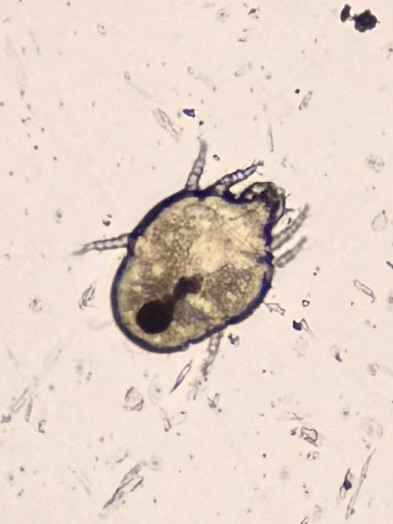
Mites and lice. Less common but still seen regularly, particularly in younger animals, rescue pets and those with recurrent ear or skin problems. Ear mites are a frequent cause of head-shaking and ear infections in cats and dogs; other mites cause mange-type skin disease that can be mistaken for allergies if not properly investigated.

Internal Parasites

Intestinal worms. Roundworms, hookworms and tapeworms are all common in UK pets. Puppies and kittens are particularly vulnerable, as roundworms can be passed from mother to offspring before birth or through milk. Adult pets pick up worm eggs from contaminated soil, prey, faeces, or fleas. Many worm infections cause no obvious symptoms at all, which is exactly why routine, scheduled treatment — rather than treating only when you notice a problem — is the safer approach.

Lungworm (Angiostrongylus vasorum). One of the most serious parasitic threats facing dogs in the UK, and one we take particularly seriously in practice. Lungworm larvae are picked up when dogs eat slugs and snails, either deliberately or accidentally (including via toys, grass or contaminated water bowls left outside). Left untreated, lungworm can cause breathing difficulties, abnormal bleeding, and in severe cases can be fatal. Cases have been confirmed across London and the South East, and prevention is far preferable to treating an established infectio

Year-Round Protection

Parasites aren’t just a “summer problem” in the UK — fleas thrive in centrally-heated homes all year, and lungworm-carrying slugs and snails are active well beyond the warmer months. We recommend consistent, year-round prevention rather than seasonal treatment, and we’ll help you set up a routine that’s easy to stick to, whether that’s a monthly spot-on, an oral tablet, or a longer-acting option suited to your pet.

We also factor in individual risk when we make recommendations: a cat that never leaves the house has different needs to a dog that swims in ponds, walks daily on the Heath, or holidays in tick-heavy countryside. Multi-pet households, pets that mix with others at daycare or boarding, and households with young children all shift the calculation too — which is why we don’t simply repeat the same advice for every pet.

What We Offer

  • Personalised parasite consultations — a proper conversation about your pet’s lifestyle, risk factors and any previous reactions to treatment, so the plan actually fits.
  • Prescription-strength preventatives — more consistently effective than many over-the-counter products, and matched to your pet’s weight, species and health status.
  • A year-round reminder service, so treatments are never missed or given late — timing matters, particularly for products with a defined window of protection.
  • Treatment for active infestations or infections, including skin and ear complaints caused by parasites, with follow-up to confirm the problem has cleared.
  • Pre-travel parasite consultations for pets travelling abroad, including the treatments and paperwork required under the pet travel scheme.

Parasites and Pet Travel

If you are planning to travel abroad with your pet — whether for a holiday or relocation — it is vital to consider the additional parasites they may be exposed to overseas. In many parts of Europe and beyond, pets face risks from:

  • Heartworm (Dirofilaria immitis) – spread by mosquitoes and potentially fatal if untreated
  • Leishmania – transmitted by sandflies, causing skin disease and organ damage
  • Babesia and Ehrlichia – tick-borne parasites that can cause severe blood disorders

Our team can provide pre-travel consultations to ensure your pet receives the right preventatives before you go, along with guidance on when to administer them and what signs to watch for after you return. We also help you meet the UK pet travel scheme requirements for worming and certification when re-entering the country.

Frequently Asked Questions