
How to find the right vet in South East London
Most of us choose a vet the same way: we pick the one closest to home, or the one a friend recommends. That’s completely understandable. But when the government’s Competition and Markets Authority (CMA) looked at how UK pet owners choose their vet, it found that many people never look any further. This guide is for pet owners in Blackheath, Lee, Lewisham, Greenwich, Eltham and Kidbrooke. It covers what’s worth checking beyond distance, and what the letters and logos on a practice’s website actually mean.
How people really choose a vet
The CMA’s pet owner survey, published in 2025, found that:
- 68% chose their vet partly because of its location, making it by far the most common reason
- 44% were influenced by a recommendation
- around half considered only one practice before registering
- fewer than 1 in 5 compared prices between practices
None of this is wrong. Location matters, especially in an emergency, and a personal recommendation is valuable. But most of us spend longer choosing a broadband provider than the people who will look after our pet for the next 15 years. A little more research at the start can make a real difference.
Source: CMA Vet Users Survey, 2025 and CMA Remedies Working Paper, 2025.
Distance: closer isn’t always the deciding factor
Being near your vet matters for routine visits and for those moments when you need to get there quickly. Across our corner of south east London, though, most practices are within a short drive or bus ride. That applies whether you’re in SE3, SE9, SE10, SE12 or SE13.
It’s worth asking yourself whether a few extra minutes of travel would be worth it for the right team, the right facilities or the right fit for your pet. For a nervous cat or a dog with a long-term condition, it often is.
Recommendations and reviews: how to get more from them
A recommendation is a great starting point, but it’s worth asking a few follow-up questions:
- Why do they like their vet? “They’re lovely” is reassuring, but “they explained every option and rang me the next day” tells you more.
- What kind of pet do they have? A practice that suits a young, healthy dog may not be the best match for an elderly cat.
- Have they needed more than routine care? How a practice handles surgery, illness or a difficult diagnosis is the real test.
When you read online reviews, look past the star rating for patterns. What do people mention again and again? Communication, aftercare, being seen quickly and how anxious pets were handled are all good signs.
First impressions: what’s behind the “feel” of a practice
Many owners say they chose a practice because it simply felt right. That instinct is worth trusting, and it’s worth knowing what tends to create it:
- How the phone is answered. Were you listened to, and given clear next steps?
- How your pet is handled. Look for unhurried examinations, treats, and cats being allowed to stay in their carriers until they’re ready.
- How the clinic is kept. Clean, calm and well organised usually reflects how the whole practice runs.
- How options are explained. You should leave knowing what was found, what the choices are, what each will cost and what happens next.
If you can, ask for a look around before you register. Most practices are happy to show you.
The things most people don’t think to check
These are the details that rarely come up in a recommendation, but they tell you a great deal about the standard of care behind the front desk.
Experience
Every vet practising in the UK must be on the RCVS Register, which you can search online. How long the vets have been qualified isn’t everything, but experience brings pattern recognition, and that matters most when a case isn’t straightforward. It’s also worth asking:
- Will you see the same vet each time? A vet who knows your pet’s history is more likely to notice small changes.
- How experienced is the nursing team? Registered Veterinary Nurses (RVNs) monitor anaesthetics, care for in-patients and run many clinics.
- Does the practice work with visiting specialists? Some general practices bring in RCVS Recognised Specialists for procedures such as orthopaedic surgery, so your pet can be treated somewhere familiar.
Post-graduate qualifications
All UK vets are members of the Royal College of Veterinary Surgeons, shown as MRCVS. Some go on to years of further study and examination:
- RCVS certificates (for example CertSAM, Small Animal Medicine, or the modular CertAVP) show advanced, assessed knowledge in a particular field.
- Diplomas (for example DipECVS, from the European College of Veterinary Surgeons) are specialist-level qualifications, usually involving a residency.
- “Specialist” is a protected term. In the UK, only RCVS Recognised Specialists may use it, so it’s a reliable signal.
- Nurse qualifications. Look for “RVN”, and for post-registration certificates in areas such as Emergency and Critical Care or Small Animal Behaviour.
Accreditations
Accreditations mean someone outside the practice has inspected it against published standards:
- RCVS Practice Standards Scheme (PSS). A voluntary scheme run by the veterinary regulator, covering clinical governance, hygiene, equipment, medicines and more.
- ISFM Cat Friendly Clinic (Bronze, Silver or Gold). Awarded by International Cat Care for premises, handling and equipment adapted specifically for cats.
- Dog Friendly Clinic. Run by Dogs Trust and the British Veterinary Behaviour Association, it focuses on low-stress handling.
- Zero Pain Philosophy. An accreditation centred on recognising, preventing and managing pain at every stage of care.
- FIVP membership. The Federation of Independent Veterinary Practices is open to independently owned practices.
It’s also reasonable to ask who owns a practice. Independent, group-owned and corporate practices can all provide excellent care. Ownership is simply one more piece of information that helps you choose.
Facilities
Being able to diagnose on the premises often means answers the same day and fewer return visits. Useful questions to ask:
- Is there in-house blood testing?
- What imaging is available? The quality of the ultrasound machine makes a real difference to what can be seen.
- Are there separate areas for cats and dogs?
- How is anaesthesia monitored, and is a nurse dedicated to your pet throughout?
- What happens out of hours? Many excellent practices work with dedicated emergency providers overnight. What matters is a clear plan and good handover of your pet’s records.
Prices and planning
Ask whether the practice publishes its prices, provides written estimates, and offers a health plan to spread the cost of preventative care.
Where we fit in
We’re an independent, vet-owned practice on Lee Road, and we welcome pets from across Blackheath, Lee, Lewisham, Greenwich, Eltham and Kidbrooke. We’d encourage you to ask us every question in this guide.
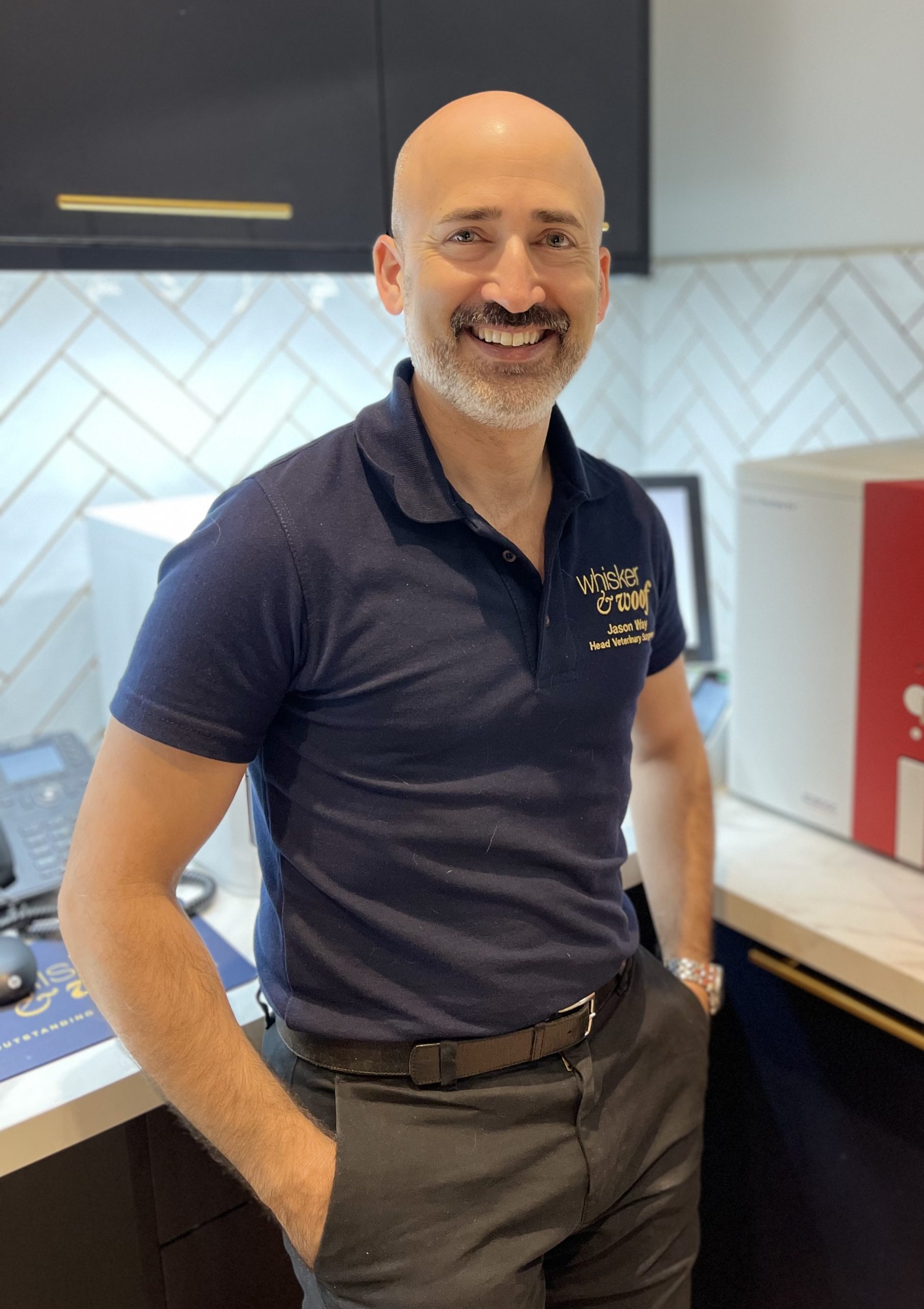
Our founder and head vet, Jason Way BVetMed CertSAM MRCVS, qualified from the Royal Veterinary College in 1996 and holds the RCVS Certificate in Small Animal Medicine. Orthopaedic cases can be seen by our visiting surgeon, Christoph Stork DrMedVet DipECVS MRCVS, an RCVS Recognised Specialist in Small Animal Surgery.
The nursing team is just as qualified:
- Melissa, our Head Veterinary Nurse, holds an Emergency and Critical Care Certificate.
- Laura, our Practice Manager and an RVN with more than 15 years’ experience, holds a Nursing Certificate in Small Animal Behaviour.
- Amy brings a particular interest in anaesthesia and low-stress handling.
- Libby‘s interest is medical nursing.
We’re accredited as a General Practice under the RCVS Practice Standards Scheme and hold ISFM Silver Cat Friendly Clinic and Dog Friendly Clinic status. We were London’s first practice accredited in the Zero Pain Philosophy, and we’re members of the FIVP. On site you’ll find a comprehensive in-house laboratory, dental x-ray, a referral-level ultrasound machine and our purpose-built “cat condo”.
You’re welcome to pop in, have a look around and meet the team.
We are a compassionate, interventional practice, with a focus on practice culture, customer service, and outstanding clinical care.
Quick questions
How do most people choose a vet?
Mainly by location, then by recommendation. Few compare more than one practice.
What does MRCVS mean?
The vet is a member of the Royal College of Veterinary Surgeons and is registered to practise in the UK.
Is a certificate holder the same as a specialist?
No. “Specialist” is reserved for RCVS Recognised Specialists, who usually hold a diploma.
Is a 24-hour hospital better than a daytime practice?
Not necessarily. What matters is a clear out-of-hours plan and good communication between the teams.
Can I switch vets?
Yes, at any time. Your new practice will request your pet’s records for you.
Can I visit before registering?
Most practices are happy to show you around. Just call ahead.

Join the Whisker & Woof Family!
Register online, by phone or in person at our brand new clinic for the very best in pet healthcare.