Our Head Vet is not just experienced in veterinary medicine; they have a personal passion for feline health. This deep interest in feline medicine ensures that every aspect of your cat’s care is handled with expert knowledge and compassion. With years of specialized training and experience, our Head Vet is highly skilled in diagnosing and treating a wide range of feline-specific conditions, from common ailments to more complex medical needs.
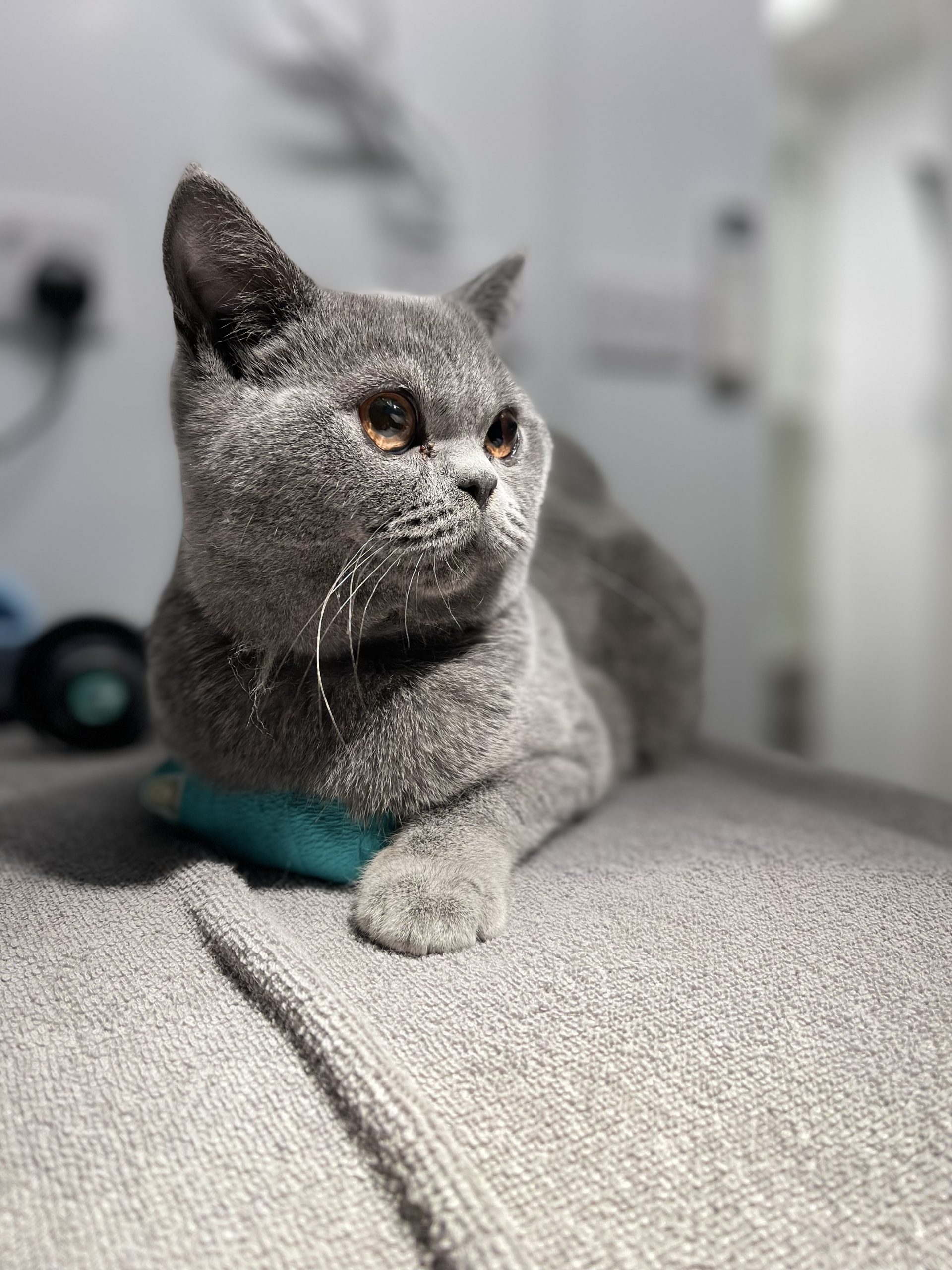
Whisker & Woof: Where Cats are a Top Priority
At Whisker & Woof, we understand that cats are a unique species with specific needs that differ from other pets, and we are devoted to meeting those needs with the highest level of care. We are passionate about the feline community and recognize that cats are not just “small dogs”—they are intelligent, independent, and sensitive creatures that require a specialized approach to their health and well-being.
Our approach to feline care goes beyond just treating a pet; it’s about creating a calm, nurturing, and stress-free experience for each cat who walks through our doors. From the moment your cat enters our clinic, our team is dedicated to minimizing any anxiety and ensuring their comfort at every stage of their visit. Whether it’s a routine check-up, dental care, or a specialized procedure, we take the time to gently handle each cat, giving them the attention and space they need to feel at ease.
Quicklinks:
- Expert Care by a Feline-Focused Vet
- A Clinic Designed for Cats
- ISFM Silver Cat Friendly Clinic
- Why Choose Whisker & Woof for Your Cat’s Care?
- Understanding the Unique Health Challenges Cats Face
- Feline Cardiac Disease: Cardiomyopathy
- Feline Gastrointestinal Disease: A Common Yet Often Overlooked Condition
- Compassionate Care for Every Feline
Expert Care by a Feline-Focused Vet

A Clinic Designed for Cats
At Whisker & Woof, we believe that the environment plays a significant role in a cat’s comfort and well-being. That’s why we’ve created a dedicated cat ward, designed exclusively for our feline patients. Our cat ward features specialized cat kennels that meet the rigorous standards set by the International Society of Feline Medicine (ISFM), a renowned charity that promotes the best practices in feline healthcare worldwide.
These cat kennels are carefully crafted to provide a quiet, safe, and stress-free environment where cats can feel secure and comfortable while they recover, rest, or wait for their appointment. The design of our facilities prioritizes feline-specific needs, ensuring that your cat is treated with the dignity and respect they deserve.
ISFM Silver Cat Friendly Clinic
We are proud to be accredited as an ISFM Silver Cat Friendly Clinic. This award means that we have made significant investments in staff training, facilities, and patient care to reduce stress for cats during their visit. Our cat-friendly waiting area, dedicated feline ward, and gentle handling techniques are all designed to make your cat’s experience as calm and positive as possible.

Why Choose Whisker & Woof for Your Cat’s Care?
- Feline-Specific Expertise: We specialize in feline care, and our Head Vet’s passion for cats ensures your pet receives the best possible treatment.
- Stress-Free Experience: We prioritize minimizing stress, making your cat’s visit as calm and comfortable as possible.
- ISFM Standards: Our dedicated cat ward and specialized kennels meet the high standards set by the International Society of Feline Medicine.
- Compassionate Care: We treat every cat like our own, with gentle handling and a focus on their individual needs

Understanding the Unique Health Challenges Cats Face
Cats are often seen as independent, low-maintenance pets, but like any animal, they face their own set of unique health challenges. Many of these issues can be subtle, meaning cats don’t always show obvious signs of distress or illness, which is why regular veterinary check-ups are crucial.
- Kidney Disease:
Chronic kidney disease (CKD) is one of the most common health issues among older cats. This gradual decline in kidney function can lead to dehydration, weight loss, and lethargy. Cats often hide symptoms early on, making early diagnosis and monitoring crucial. At Whisker & Woof, we offer advanced diagnostic tools to identify CKD early and tailor treatment plans to manage this condition effectively - Dental Disease:
Dental problems are frequently underdiagnosed in cats. From gingivitis to periodontal disease, cats can suffer from severe oral pain that affects their eating habits, energy levels, and overall well-being. Regular dental exams, cleanings, and at-home oral care are important components of feline health. Our clinic offers expert dental care to help maintain your cat’s oral health, ensuring they’re comfortable and pain-free. - Obesity and Weight Management:
Obesity is becoming an increasingly common problem in domestic cats, often leading to diabetes, joint issues, and decreased life expectancy. Cats may become overweight due to poor diet, lack of exercise, or underlying health issues. We offer personalized weight management plans to help cats maintain a healthy weight through proper diet, exercise, and monitoring. - Urinary Tract Issues:
Feline Lower Urinary Tract Disease (FLUTD) is a term that encompasses several conditions affecting the urinary system, including bladder infections, crystals, and blockage. This can lead to painful urination, blood in the urine, or even a life-threatening blockage. We are experienced in diagnosing and treating these conditions and provide proactive care to prevent recurrence. - Hyperthyroidism:
Hyperthyroidism, often caused by benign tumors of the thyroid gland, is common in older cats. It can lead to rapid weight loss, increased appetite, hyperactivity, and heart problems. Through blood tests and other diagnostics, we can identify hyperthyroidism early and offer treatment options, including medication, diet changes, or surgery. - Arthritis and Joint Pain:
Arthritis is not just a condition for older humans—it’s also a significant problem for aging cats. Often misdiagnosed or attributed to “just getting older,” arthritis in cats can severely impact their mobility and quality of life. We help manage arthritis with pain relief, joint supplements, and tailored care to improve comfort and function. - Feline Leukemia Virus (FeLV) and Feline Immunodeficiency Virus (FIV):
FeLV and FIV are viral infections that can compromise a cat’s immune system, leaving them susceptible to other diseases. Regular testing and early detection are key in managing these viruses and helping affected cats live long, happy lives with appropriate care and support.
Feline Cardiac Disease: Cardiomyopathy
Cardiac disease in cats is often under-recognized and can be particularly challenging to diagnose, as symptoms can be subtle or not apparent until the disease has progressed. One of the most common forms of feline heart disease is cardiomyopathy, specifically hypertrophic cardiomyopathy (HCM), which affects the heart muscle and can lead to serious complications if not addressed.
What is Hypertrophic Cardiomyopathy (HCM)?
Hypertrophic cardiomyopathy is the most common heart disease in cats and involves thickening of the heart muscle, which reduces the heart’s ability to pump blood efficiently. This can result in a variety of symptoms, including lethargy, rapid or labored breathing, coughing, loss of appetite, and fainting or sudden collapse. In severe cases, HCM can lead to blood clots, fluid buildup in the lungs, and heart failure.
Why is Cardiomyopathy a Concern?
Because cats often don’t show signs of heart disease until it has advanced, early detection is crucial. If left untreated, HCM can cause serious complications such as congestive heart failure, stroke, or sudden cardiac death. This is why it is important for cats—especially those with a family history of heart disease or older cats—to undergo regular veterinary check-ups to monitor their heart health.
Signs of Cardiomyopathy in Cats:
- Lethargy or decreased activity
- Rapid or labored breathing
- Coughing or wheezing
- Sudden collapse or fainting
- Loss of appetite or weight loss
- Abnormal heart rhythms (arrhythmias)
Diagnosis and Treatment:
At Whisker & Woof, we offer diagnostic tests such as echocardiograms (ultrasound of the heart), and x-rays to help diagnose and assess the extent of cardiomyopathy. We also monitor the heart’s function with electrocardiograms (ECGs) to detect arrhythmias.
Treatment options include medications to manage the risk of blood clot formation and congestive heart failure, and lifestyle changes such as limiting stress and exercise.
Proactive Care for Cardiac Health:
Preventive measures such as maintaining a healthy weight, monitoring blood pressure, and managing other conditions like hyperthyroidism or kidney disease can also reduce the risk of complications. Regular vet check-ups are key to detecting early signs of heart disease, which improves outcomes for cats with cardiac issues.
Feline Gastrointestinal Disease: A Common Yet Often Overlooked Condition
Feline gastrointestinal (GI) diseases are another critical area of health concern for cats, with symptoms that can often go unnoticed by owners until the issue becomes more severe. Gastrointestinal issues can range from mild upset stomachs to chronic conditions that require long-term management. Cats may experience symptoms like vomiting, diarrhea, loss of appetite, and weight loss, but because they often hide signs of discomfort, it can be easy to overlook.
Common Feline GI Diseases:
- Inflammatory Bowel Disease (IBD):
Inflammatory bowel disease is one of the most common chronic GI conditions in cats. It causes inflammation in the stomach or intestines, leading to symptoms such as vomiting, diarrhea, and weight loss. Diagnosis often involves blood tests, ultrasounds, and biopsies. Treatment usually involves dietary changes, medications to control inflammation, and managing any underlying conditions that may be contributing to the disease. - Food Sensitivities and Allergies:
Cats can develop food sensitivities or allergies that can lead to GI upset. Symptoms might include vomiting, diarrhea, or even skin issues. We offer hypoallergenic diets and can help identify the right food plan for your cat to minimize discomfort and promote digestive health. - Gastrointestinal Obstructions:
Cats, especially those who are prone to ingesting foreign objects, can suffer from gastrointestinal blockages. This can cause painful symptoms such as vomiting, bloating, and constipation. We use imaging tools like X-rays or ultrasounds to diagnose obstructions and take immediate action to resolve the issue, often requiring surgery if the obstruction is severe. - Constipation:
Constipation is a common issue, especially in older cats. It can be caused by dehydration, dietary imbalances, or underlying diseases like hypothyroidism or megacolon. We can help manage constipation with dietary adjustments, medications, and sometimes specialised treatments to relieve the discomfort and help your cat return to regular bowel movements. - Pancreatitis:
Pancreatitis, or inflammation of the pancreas, is another condition that affects the gastrointestinal system. Cats with pancreatitis may have symptoms like vomiting, lethargy, and abdominal pain. Treatment typically involves hospitalization, intravenous fluids, pain management, and a tailored diet to reduce the stress on the pancreas.
Compassionate Care for Every Feline
At Whisker & Woof, we don’t just treat diseases—we treat the whole cat. We believe in a holistic approach to feline health that addresses not only the physical but also the emotional and psychological needs of our patients. Whether it’s a routine wellness check-up or a more complex medical issue, we are here to ensure your cat is healthy, happy, and living their best life.
Thank you for trusting us with your cat’s care. We’re committed to providing exceptional service and advancing the health and well-being of every feline patient that walks through our doors.