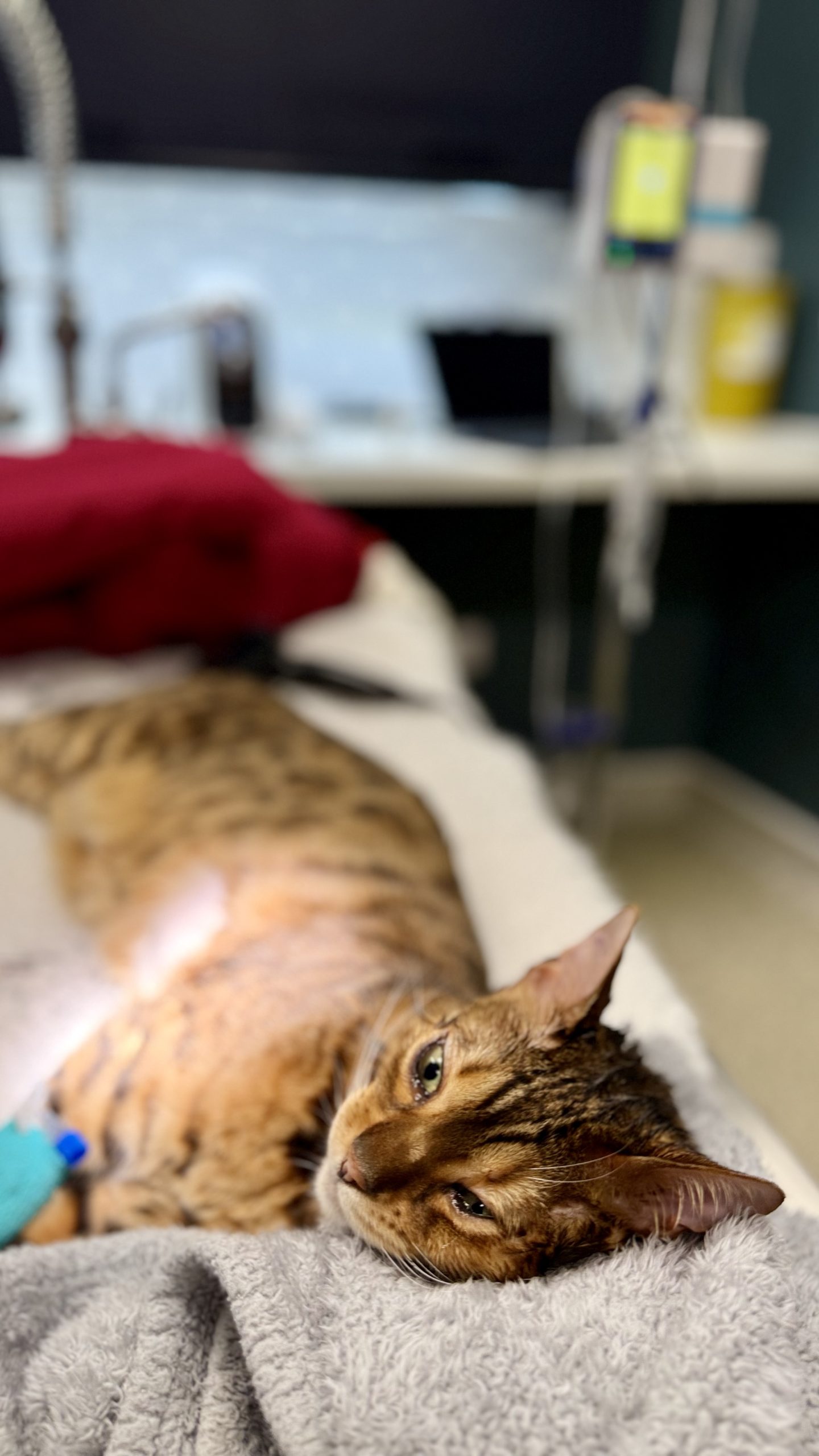
What To Do When Your Cat Is Not Eating
Cats may stop eating for a variety of reasons, ranging from mild to more serious. Common causes include:
- Stress or environmental changes (new home, visitors, new pets)
- Dietary changes or food aversion
- Dental pain or oral disease
- Gastrointestinal upset (vomiting, diarrhoea, nausea); pancreatitis
- Infections or underlying illness
- Pain or injury
- Kidney disease, liver disease, or other systemic conditions
Cats are particularly sensitive to a lack of food intake, and even a short period of inappetence can have major consequences.
How Long Can a Cat Safely Go Without Eating?
Unlike dogs, cats should never go without food for long. If a cat does not eat for 12 to 24 hours or more, this is a concern and should prompt veterinary advice.
After a short period without food, cats are at risk of developing a serious condition called hepatic lipidosis (fatty liver disease), especially if they are overweight. This condition can become life-threatening and often requires intensive treatment.
As a rule of thumb:
- Up to 12 hours without eating → monitor closely and encourage appetite
- 12-24 hours or more → contact your vet
- Any unwell signs + in appetance → urgent veterinary attention
Signs Your Cat Needs Urgent Veterinary Care
A loss of appetite combined with any of the following symptoms should be treated as urgent:
- Lethargy or hiding
- Vomiting or diarrhoea
- Weight loss
- Drooling or difficulty eating
- Bad breath (possible dental disease)
- Yellowing of the eyes or gums (jaundice)
- Straining to urinate
- Behavioural changes
If your cat is showing these signs, it’s best to arrange an emergency vet appointment as soon as possible.
What You Can Try at Home
If your cat is otherwise bright and well, you can try a few simple steps to encourage them to eat:
1. Offer Highly Palatable Foods
Try warming food slightly or offering strong-smelling options such as wet food or fish-based diets.
2. Create a Calm Feeding Environment
Cats can be sensitive to stress—feed them in a quiet, familiar space away from noise or other pets.
3. Stick to Routine
Cats thrive on consistency. Feed at regular times and avoid frequent food changes.
4. Check for Obvious Issues
Look for signs of dental discomfort, mouth ulcers, or anything unusual around the face or jaw.
When To Call Whisker & Woof
You should contact us if:
- Your cat hasn’t eaten for 12-24 hours
- They are eating but significantly less than usual
- There are any additional symptoms
- You are concerned at all
Our team offers same-day appointments in Blackheath, and we can quickly assess whether your cat needs treatment, diagnostics, or supportive care.
We also follow a low-stress, cat-friendly approach, helping reduce anxiety during visits and making the experience as comfortable as possible.
How We Can Help
At Whisker & Woof, we will:
- Take a full clinical history
- Perform a thorough examination
- Recommend diagnostic tests if needed (blood tests, imaging)
- Provide treatment for nausea, pain, or underlying conditions
- Support your cat’s recovery with tailored care
Early intervention is key—many causes of reduced appetite are much easier to treat when caught early.
Final Thoughts
A cat not eating is never something to ignore. While it may sometimes be something simple, it can also be an early warning sign of a more serious condition.
If in doubt, it’s always best to seek advice.Concerned about your cat? Contact Whisker & Woof on 0203 603 4843 for expert advice and prompt care when your cat is not eating.


Outstanding Veterinary Care
“Everytime. That’s our promise to you” Jason Way BVetMed CertSAM MRCVS, Founder and Head Veterinary Surgeon, Whisker & Woof